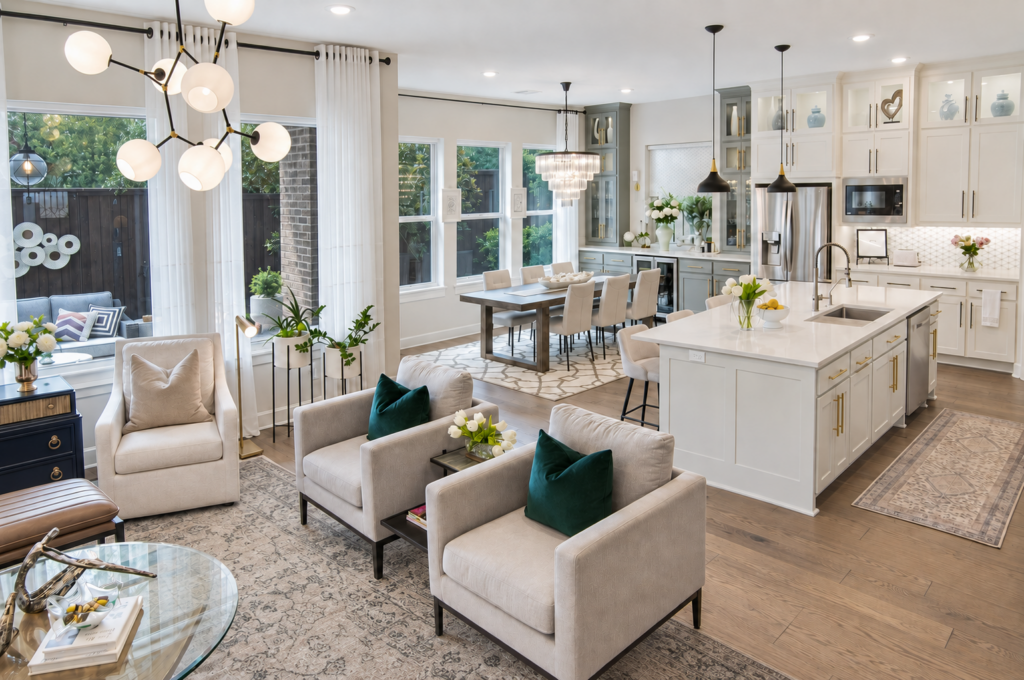
Every few years, the design industry introduces a new must-have trend. Suddenly, everyone wants the same kitchen, the same bathroom, or the same color palette. And while these trends may look beautiful in magazines or on social media, they don’t always translate into homes that are practical, comfortable, or timeless.
For Dallas homeowners, avoiding expensive interior design mistakes starts with understanding which trends will actually work in their homes.
Throughout my career as an interior designer and renovation professional in Dallas, I’ve watched trends come and go, and one thing has remained constant: a beautiful home should reflect the people who live in it, not whatever happens to be fashionable at the moment.
There’s nothing wrong with appreciating a new design trend. In fact, some trends introduce wonderful ideas that eventually become part of timeless design. The problem begins when homeowners make costly, permanent decisions based on what’s popular today without considering how those choices will function or look five or ten years from now.
Unlike a throw pillow or a piece of artwork, kitchen cabinetry, bathroom fixtures, and architectural changes aren’t easily or inexpensively replaced. That’s why I always encourage homeowners to look beyond what’s trending and consider what truly makes sense for their home.
Here are five popular design trends worth reconsidering before making a significant investment in your home.


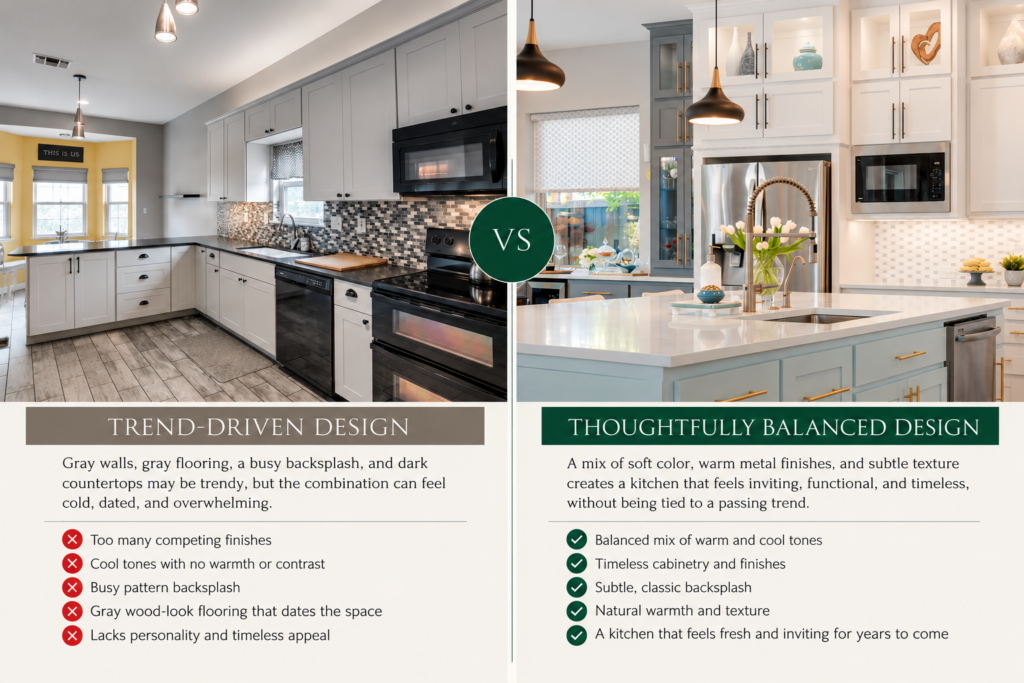
Remember when everything was gray? Gray walls, gray floors, gray cabinets, gray furniture. For years, it seemed almost impossible to walk into a newly renovated home without seeing some variation of the same color palette.
Now, warmer tones are making a comeback, and suddenly beige is everywhere. But replacing gray-on-gray with beige-on-beige doesn’t necessarily create a better or more timeless interior. It simply trades one trend for another.
The problem was never gray itself, just as there’s nothing inherently wrong with beige. Both can be beautiful when used thoughtfully. The mistake is relying so heavily on one fashionable color that a home loses its depth, contrast, and individuality.
I’ve always believed that a successful color palette should complement the home’s architecture, natural light, existing materials, and the people who live there. A thoughtful combination of warm and cool tones, balanced with texture and contrast, creates a much more interesting and enduring interior.
The goal isn’t to choose the color everyone wants today. It’s to create a home you’ll still love when everyone moves on to something else.


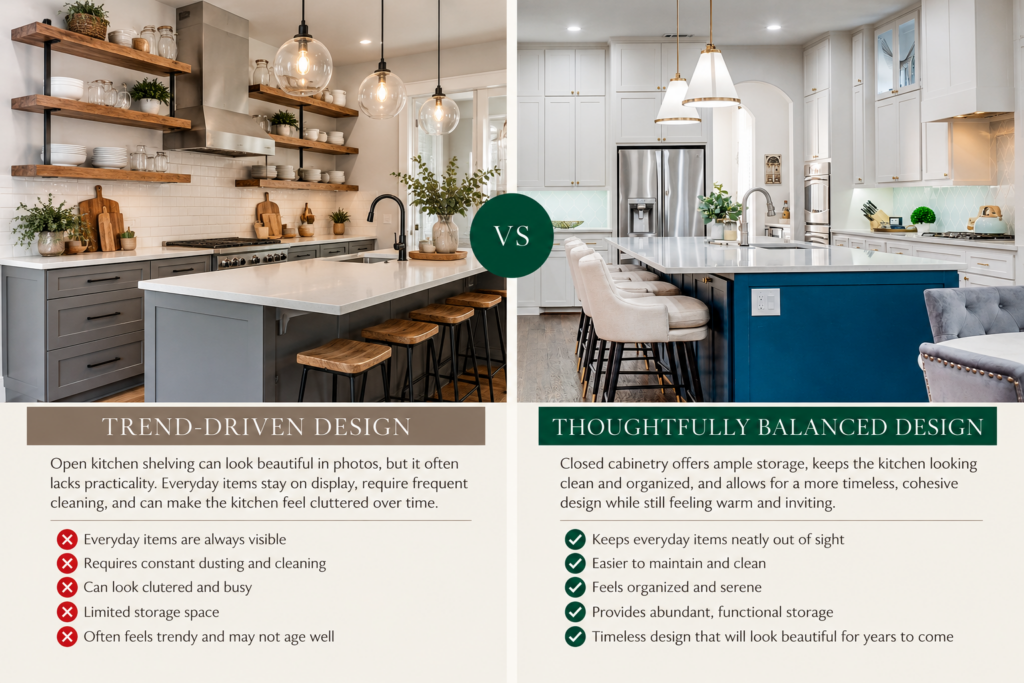
Open kitchen shelving has been a popular design trend for years. You’ve probably seen those beautifully styled kitchens with perfectly stacked dishes, matching glassware, and carefully arranged accessories. They certainly make for an attractive photograph.
But what happens after the photographer leaves?
Real kitchens are meant to be lived in. Plates get stacked, coffee mugs don’t always match, and nobody wants to spend their mornings arranging bowls and glasses just to maintain that picture-perfect appearance.
Then there’s the maintenance. Open shelves collect dust, and when they’re near cooking areas, grease and airborne residue can settle on dishes and decorative items. What initially seemed like an effortless design feature can quickly become another housekeeping chore.
Throughout my design career, I’ve deliberately avoided specifying open shelving as a replacement for practical kitchen cabinetry. Closed cabinets provide valuable storage, keep everyday items out of sight, and allow a kitchen to remain visually organized without requiring everything inside to look perfectly styled.
A beautiful kitchen should make everyday life easier, not create more work.
After all, there’s a difference between a kitchen that looks beautiful in a photograph and one that’s beautiful to live in.


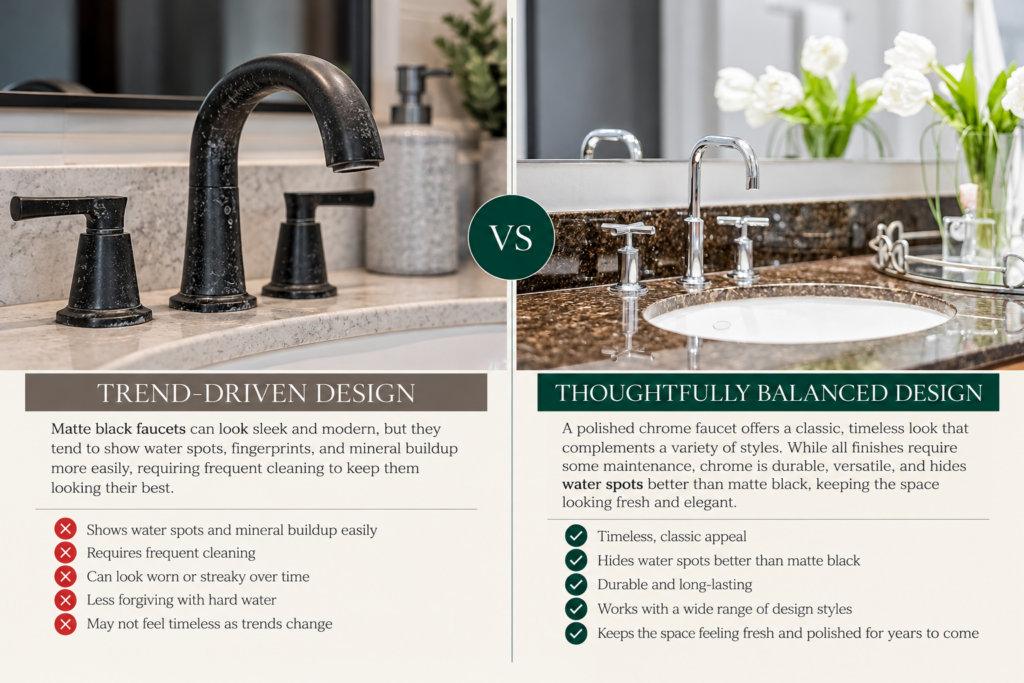
Matte black faucets and plumbing fixtures became incredibly popular, particularly in modern and transitional bathrooms and kitchens. Their sleek appearance and dramatic contrast against lighter surfaces made them an appealing choice for homeowners looking to update their spaces.
But there’s a practical side to this trend that often gets overlooked.
Black finishes can make water spots, soap residue, and mineral deposits especially noticeable, particularly in homes with hard water. Depending on the quality of the finish and how it’s maintained, scratches and wear may also become more apparent over time.
I’ve never been inclined to specify matte black faucets simply because they’re fashionable. Plumbing fixtures are used every day, and their durability, maintenance requirements, and compatibility with the overall design should matter just as much as their appearance.
That doesn’t mean matte black fixtures are always a poor choice. In the right setting, with a quality finish and proper maintenance, they can work beautifully. But homeowners should understand what they’re committing to before making that investment.
I prefer selecting finishes that complement the architecture and materials of the home while offering lasting beauty and practical performance.
A fixture shouldn’t just look beautiful on installation day. It should continue to look beautiful after years of everyday use.


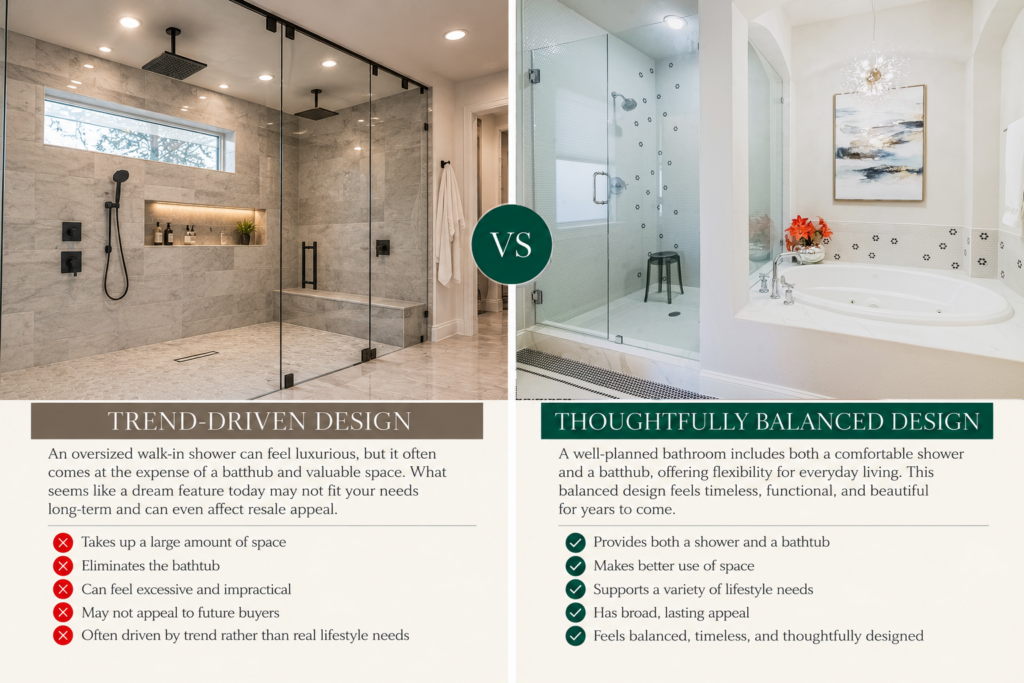
Somewhere along the way, oversized walk-in showers became the ultimate symbol of bathroom luxury. Homeowners began removing perfectly good bathtubs to make room for enormous showers, often sacrificing one of the most desirable features of a primary bathroom in the process.
But bigger doesn’t always mean better.
I’ve seen bathrooms where the shower occupies an extraordinary amount of space, leaving little room for anything else. And I often wonder, how much space does one person really need to take a shower?
A thoughtfully designed shower with comfortable dimensions, beautiful materials, and quality fixtures can feel every bit as luxurious without dominating the entire bathroom.
Whenever space allows, I prefer incorporating both a well-designed shower and a comfortable bathtub into the primary bathroom. A bathtub offers another way to relax and unwind, provides flexibility for different lifestyles, and can contribute to the overall appeal of a home.
Of course, every home and homeowner is different. For someone with mobility concerns or a bathroom with limited square footage, a spacious, accessible shower may be the more practical choice.
The mistake isn’t choosing a large shower. It’s automatically eliminating the bathtub simply because oversized showers happen to be fashionable.
True luxury isn’t measured by square footage. It’s measured by comfort, thoughtful design, and how well a space serves the people who use it.


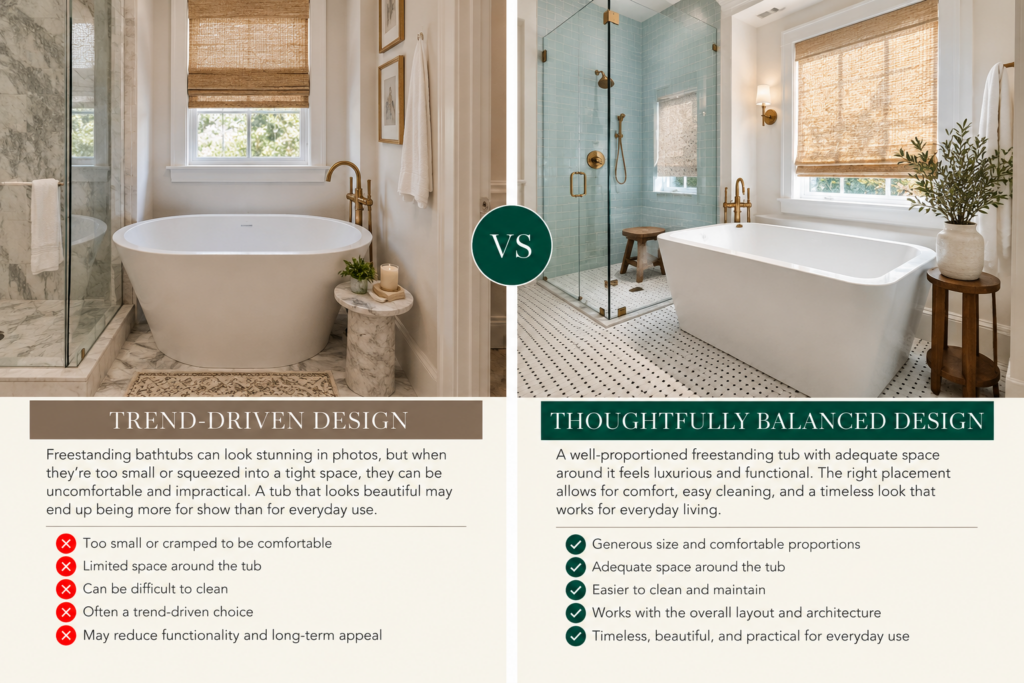
Freestanding bathtubs have become a favorite feature in luxury bathroom renovations, and for good reason. When properly proportioned and thoughtfully placed, they can create a beautiful focal point and bring a sense of elegance to the space.
But not every bathroom is designed to accommodate one.
I’ve seen freestanding tubs squeezed into spaces that are simply too small, sometimes with barely enough room to move around them. And then there are the four- and five-foot tubs that may look lovely in photographs but aren’t necessarily comfortable for an adult who actually wants to enjoy a relaxing soak.
A bathtub should be more than a decorative feature. It should be comfortable, accessible, and appropriately sized for the people using it.
There are practical considerations, too. A freestanding tub positioned too close to surrounding walls can make cleaning difficult, while inadequate clearance can leave the entire bathroom feeling cramped.
In some spaces, a beautifully designed built-in or alcove bathtub is a far better solution. It can provide greater comfort, easier maintenance, and a more cohesive appearance without sacrificing the sense of luxury.
The key is understanding the proportions of the room and choosing fixtures that genuinely enhance how the space functions.
Luxury isn’t about squeezing the latest design feature into a room. It’s about creating a space where beauty, comfort, and functionality work together.
Trends will always come and go, and there’s nothing wrong with finding inspiration in new ideas. Some trends are worth embracing, while others are better admired from a distance.
The key is knowing the difference.
Over the years, I’ve learned that the most successful interiors aren’t necessarily the ones that follow the latest design trends. They’re the ones that respect the home’s architecture, accommodate the homeowner’s lifestyle, and balance beauty with everyday functionality.
Before making a significant investment in your home, ask yourself a few simple questions: Does this choice make sense for the way I live? Does it complement my home’s character? Will I still appreciate it five or ten years from now?
A well-designed home doesn’t need to look like everyone else’s. It should feel personal, comfortable, and thoughtfully put together, with materials and finishes that stand the test of time.
Because the best design decisions aren’t about keeping up with trends. They’re about creating a home you won’t feel the need to redesign every time trends change.
If you’re considering a kitchen or bathroom renovation, or simply want to refresh your home’s interiors, thoughtful planning can help you avoid costly mistakes before they happen.
At Design by KETI, we combine interior design expertise with renovation planning and project management to create beautiful, functional spaces tailored to your home and lifestyle.
Ready to make confident decisions about your home?
Schedule a complimentary Discovery Call to discuss your project and explore the possibilities.
— Keti
About the Author
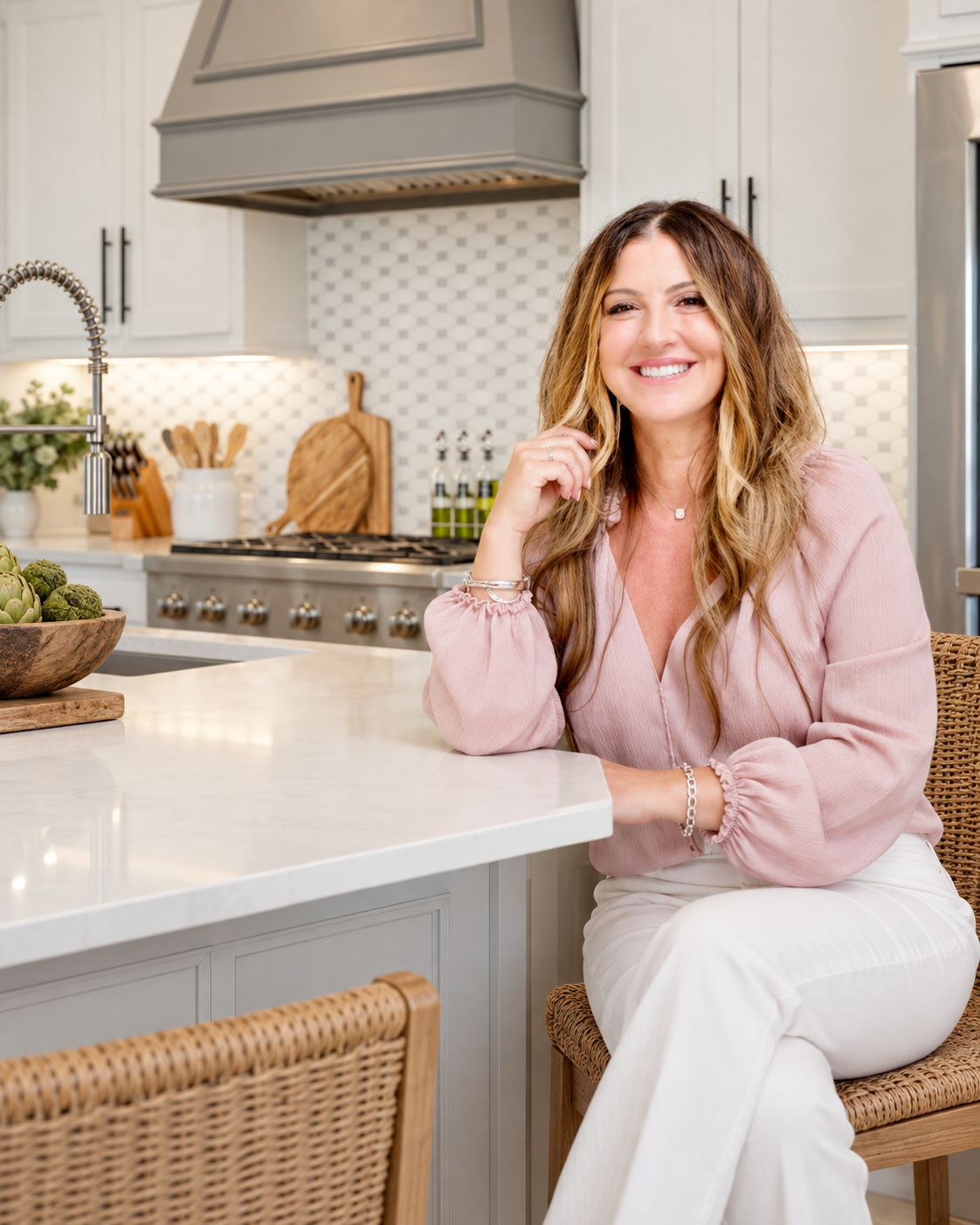
Keti Abazi is an award-winning Dallas interior designer known for creating timeless, livable spaces that balance beauty and function.